AI-ready smart appliances Matter 2025: What to know
Advertisement
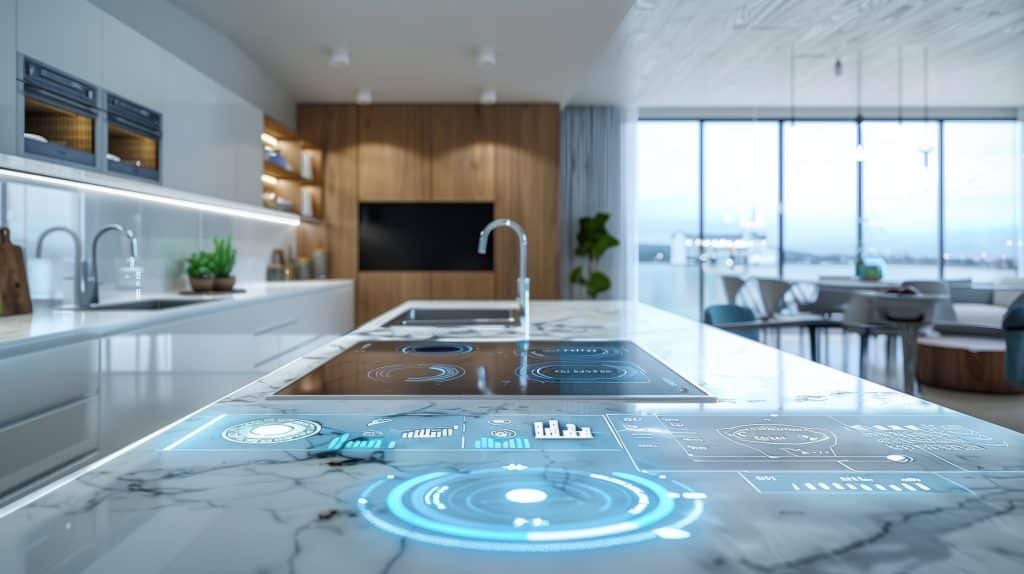
Imagine a home where your devices don’t just follow instructions, but actually anticipate your needs, optimize energy use, and communicate flawlessly regardless of their brand.
The integration of AI-ready smart appliances Matter (the new smart home standard) is not just an upgrade—it’s a revolution set to transform our living spaces.
This synergy of Artificial Intelligence and unprecedented interoperability promises to simplify our lives, boost energy efficiency, and create a truly connected environment.
This article delves into this exciting trend and what you need to know about the future of home technology.
Advertisement
Understanding AI-ready smart appliances
Understanding AI-ready smart appliances is essential as technology evolves. These devices are designed to enhance our lives by integrating seamlessly with our environment.
What Makes Them Smart?
These appliances use artificial intelligence to learn our preferences and adjust their functions accordingly. For example, a smart thermostat can learn your schedule and optimize the heating and cooling in your home automatically.
Key Features of AI-Ready Devices
- Interconnectivity: AI-ready appliances communicate with each other for improved efficiency.
- Learning Capabilities: They adapt to user habits, providing a more personalized experience.
- Remote Control: Users can control these devices via smartphones, increasing convenience.
This intelligence extends beyond mere connectivity. For example, a smart fridge can alert you when you’re low on groceries or even suggest recipes based on the ingredients inside.
Advertisement
This level of interaction makes daily life easier, allowing you to save time and reduce waste.
Moreover, the incorporation of Matter technology ensures that these appliances can work across various platforms, enhancing their usability.
As more manufacturers adopt this standard, the interoperability of devices increases, leading to a smarter home ecosystem.
With advancements occurring rapidly, understanding how AI-ready smart appliances work will help you make informed decisions about your future home purchases.
Embracing this technology not only modernizes your space but also fosters sustainability by optimizing energy usage.
Key features and functionalities by 2025
As we look forward to 2025, the key features and functionalities of AI-ready smart appliances will significantly evolve. These advancements promise to make our homes smarter and our lives easier.
Enhanced Interoperability
One major innovation will be the enhanced interoperability among devices. Thanks to the Matter protocol, appliances from different brands will be able to communicate seamlessly.
This means a user can control various devices through a single app, regardless of the manufacturer.
Advanced Learning Algorithms
- Predictive Functionality: Smart appliances will use advanced learning algorithms to anticipate user needs.
- Energy Efficiency: These devices will optimize energy consumption based on user patterns and preferences.
- Personalization: Expect appliances to adjust settings and functions based on individual habits.
The focus on sustainability will also be paramount. By 2025, AI-ready appliances will feature improved energy conservation methods. Smart devices can monitor usage in real-time and suggest optimal times for operation to reduce energy costs.
Voice and Gesture Control
Another exciting feature will be the integration of voice and gesture control. Users will enjoy hands-free operation, making it easier to manage multiple tasks simultaneously.
Imagine cooking dinner while adjusting your oven settings just by talking!
Finally, security will be a top priority for AI-ready smart appliances. With the rise in smart home usage, manufacturers will enhance security measures, ensuring that your devices and data remain safe from cyber threats.
By 2025, look for these features to become standard in most smart appliances, significantly improving both convenience and safety in our homes.
Benefits of adopting Matter technology

Adopting Matter technology brings numerous benefits for users of smart appliances. This innovation aims to simplify and enhance the smart home experience, making devices work better together.
Improved Compatibility
One of the main advantages is improved compatibility across devices. Matter ensures that various appliances from different manufacturers can communicate seamlessly.
This means less frustration for users and a more cohesive smart home setup.
Enhanced Security
- Stronger Data Protection: Matter incorporates advanced security protocols to keep your data safe.
- Reliable Connectivity: Users can expect stable connections among their devices, reducing potential vulnerabilities.
- Regular Updates: Manufacturers committed to Matter are likely to provide regular updates, keeping security measures up-to-date.
The ability to integrate devices easily leads to a better user experience. When all devices work harmoniously, managing your home becomes effortless, allowing you to focus on what truly matters.
Future-Proofing Your Home
By adopting Matter technology, you also future-proof your home. As smart home technology rapidly evolves, having a system that supports new devices and standards means your home will be ready for advancements.
This flexibility helps you invest wisely in smart home solutions.
Additionally, Matter technology enhances energy efficiency. Smart devices can share data about energy usage, leading to optimized performance and lower energy costs.
For example, your smart thermostat can coordinate with your smart lighting to reduce usage during peak hours.
Overall, the benefits of adopting Matter technology are compelling. From improved compatibility and enhanced security to future-proofing your home, it’s a crucial step toward making your living space smarter and more efficient.
How Matter enhances device interoperability
Matter technology significantly enhances device interoperability, making it easier for various smart appliances to work together.
This innovation removes barriers between devices, allowing them to communicate seamlessly, regardless of the brand.
Unified Standards
One key aspect of Matter is its use of unified standards. By following the same protocols, devices from different manufacturers can connect effortlessly.
This means less frustration for users who want to mix and match their smart home devices.
Benefits of Seamless Communication
- Increased Flexibility: Users can choose devices based on preference, not compatibility.
- Simplified Setup: Installation is easier as devices can sync without complicated configurations.
- Enhanced Functionality: Devices can work together to create automations that improve daily routines.
For example, when you leave home, your smart lock can signal your thermostat to reduce energy use, and your lights can turn off automatically. Such interactions create a more efficient and responsive living space.
Furthermore, Matter ensures that new devices can join the network without any hassle. As technology advances, update and add-ons will integrate smoothly, keeping your smart home fresh and functional.
This capability is vital for consumers who want to future-proof their investments in smart technology.
In short, the way Matter enhances device interoperability leads to a smarter, more connected home. With this technology, consumers can enjoy improved control and convenience while ensuring their devices work in harmony.
Future trends in smart home technology

The future of smart home technology looks bright, with exciting trends shaping how we live and interact with our homes. As technology advances, we’ll see significant improvements in how we use devices and manage our environments.
Integration of AI and Machine Learning
One major trend is the integration of artificial intelligence and machine learning into smart devices. These technologies allow appliances to learn from user behaviors and make adjustments automatically.
For instance, your smart thermostat could learn your schedule and optimize heating or cooling without manual input.
Increased Focus on Sustainability
- Energy Efficiency: Future devices will focus on reducing energy use and conserving resources.
- Smart Energy Management: Systems will provide real-time feedback on energy consumption.
- Renewable Energy Integration: Many smart home systems will include features to utilize solar or wind energy.
Homeowners will benefit from reduced utility bills while contributing to a greener environment. Imagine a home that automatically adjusts energy use during peak hours to save costs.
Enhanced Interoperability
Another trend is enhanced interoperability among devices. As more products adopt Matter technology, users will experience seamless integration across different brands.
This means that different appliances can communicate effortlessly, allowing for customized automations and better network reliability.
Additionally, voice control will continue to evolve, with more devices supporting advanced voice assistants. This will allow users to manage their homes hands-free, increasing convenience and accessibility.
Ultimately, the future of smart home technology promises to enhance convenience and sustainability while ensuring our homes are more responsive to our needs. These trends will create experiences that are not only efficient but also enjoyable.
Conclusion
Ultimately, the future of smart home technology promises to deliver an experience that is not only highly efficient but also intuitive and genuinely responsive to human needs.
In conclusion, the powerful combination of AI-ready smart appliances Matter represents a fundamental shift in home technology.
These advancements promise superior interoperability, fortified security, and significant energy savings.
By embracing these technologies, you are creating a home environment that is connected, efficient, and actively supportive of a more sustainable lifestyle.
To delve deeper into how the Matter standard is architected to be the unifying force for AI-ready smart appliances Matter and the future of home connectivity, you can read more here: Matter: The Future of Smart Home Appliances.
Would you like to explore specific examples of how the Matter protocol enables cross-brand automation (e.g., Apple HomeKit controlling a Samsung washing machine)?
FAQ – Frequently Asked Questions about AI-ready Smart Appliances
What are AI-ready smart appliances?
AI-ready smart appliances are devices that use artificial intelligence to learn from user preferences and automate tasks for a more efficient home experience.
How does Matter technology improve smart homes?
Matter technology enhances device interoperability, allowing appliances from different brands to communicate seamlessly and work together, which simplifies user experience.
What are the benefits of using smart appliances?
Smart appliances provide energy efficiency, increased security, and convenience through automation and remote control, ultimately saving time and reducing utility costs.
Will smart home technology be more sustainable in the future?
Yes, future smart home technologies focus on sustainability by promoting energy-saving practices and allowing homeowners to monitor and optimize their energy usage.