Water-use rules for residential irrigation 2025: Know everything about it
Advertisement
Water-use rules for residential irrigation 2025 mandate efficient water management practices to conserve resources, comply with regulations, and promote sustainable gardening while minimizing environmental impacts.
Water-use rules for residential irrigation 2025 are set to influence how we garden and maintain our homes.
Have you ever considered how these regulations might change your watering habits?
Understanding the new rules for residential irrigation
Understanding the new rules for residential irrigation is crucial for every homeowner.
These rules are designed to promote sustainability and ensure that we use our precious water resources wisely.
Advertisement
By staying informed, you can keep your garden thriving while adhering to these guidelines.
Key changes in water use rules for residential irrigation
First, it’s important to know what has changed. One significant modification is the increase in restrictions during drought conditions.
This means you might have to adjust your watering schedule based on local weather reports.
Advertisement
How to stay compliant
Staying compliant with the new regulations doesn’t have to be difficult. Here are a few tips:
- Check your local water authority’s website frequently for updates.
- Install a rain gauge to monitor precipitation levels.
- Use native or drought-resistant plants to minimize water use.
In addition to these tips, consider practicing efficient watering techniques. For instance, watering early in the morning reduces evaporation.
Furthermore, grouping plants with similar water needs can help manage resources effectively.
The implementation of these rules for residential irrigation is not just about compliance; it’s about fostering a community that values and protects water.
Engage with your neighbors about how they are adjusting to the changes and share tips for efficient irrigation!
By understanding these regulations, not only can you avoid penalties, but you can also contribute to a healthier environment.
Embracing sustainable practices in your irrigation methods can save money and help conserve our planet’s vital water sources.
Benefits of efficient irrigation practices
Efficient irrigation practices offer a range of benefits for homeowners and the environment.
By adopting these methods, you can save water, reduce costs, and promote healthier plants.
Water conservation
One of the primary advantages of efficient irrigation is the significant reduction in water waste.
By using techniques such as drip irrigation or soaker hoses, homeowners can deliver water directly to the roots of plants. This minimizes evaporation and runoff.
Cost savings
Moreover, saving water translates into lower utility bills. Efficient systems can drastically cut your monthly water expenses.
When you invest in modern irrigation technology, you often see quick returns in savings.
- Drip irrigation systems use less water than traditional methods.
- Rainwater harvesting can supplement your irrigation needs.
- Soil moisture sensors prevent overwatering.
Additionally, efficient irrigation practices contribute to the health of your garden. Plants receive just the right amount of water they need, boosting their growth.
Healthy plants are also more resilient against pests and diseases, leading to less need for chemical interventions.
Another aspect to consider is the environmental impact. Implementing these practices helps conserve essential water resources, especially during dry spells.
As community awareness grows, more neighbors may join in the effort, leading to a collective positive change.
The long-term advantages of efficient irrigation practices are clear. Whether it’s for your wallet or the environment, making a switch can lead to a more sustainable future.
Tips for homeowners on compliance
For homeowners, understanding how to comply with the new rules for residential irrigation can be straightforward.
Here are some practical tips to help ensure you are following the rules while keeping your garden healthy.
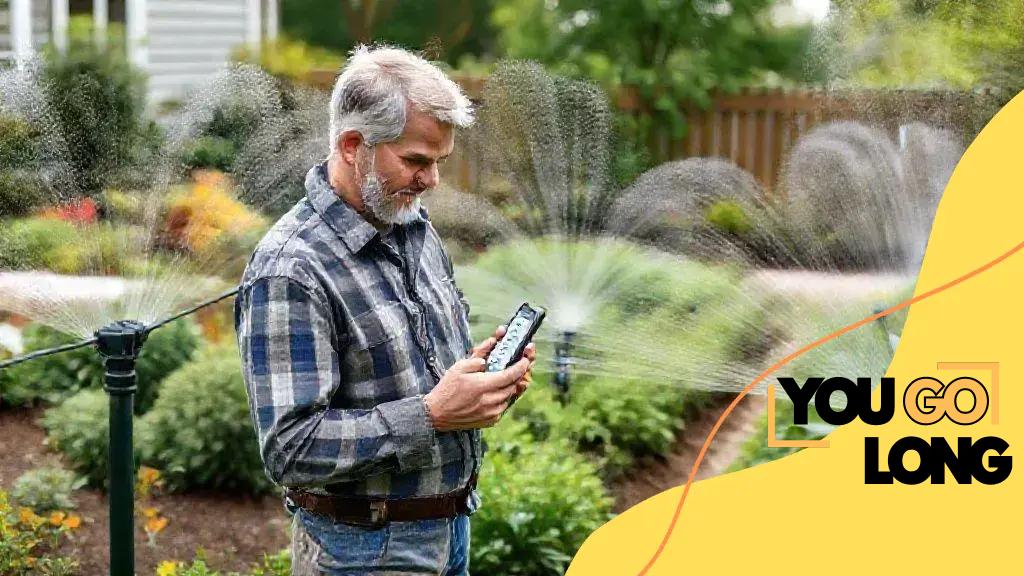
Stay informed
Regularly check your local water authority’s website for updates on rules and guidelines.
Regulations can change, especially during dry seasons.
Use efficient irrigation systems
Investing in efficient rules for residential irrigation systems, such as drip irrigation, can greatly assist in staying compliant.
These systems deliver water directly to plant roots, minimizing waste. Here are some benefits:
- Reduces water use during dry spells.
- Promotes healthy plant growth.
- Trustworthy technology reduces the risk of overwatering.
Additionally, consider installing rain barrels to collect runoff water. This can help supplement your irrigation needs while staying within legal limits.
Plan your watering schedule according to local regulations. Watering early in the morning or late in the evening also helps decrease evaporation.
Make use of weather forecasts to adjust your irrigation accordingly; a little adjustment can make a significant difference!
A great way to manage compliance is by grouping plants with similar water needs together.
This not only helps with water efficiency but also simplifies your watering routine.
Lastly, keep an eye on your garden and adjust your practices as needed.
Observing how plants respond to watering can guide you in making smarter choices.
Tools to help manage your irrigation
Using the right tools can significantly enhance your irrigation practices.
Many tools are available to help you manage your watering effectively, ensuring compliance with the new regulations.
Soil moisture sensors
One essential tool is a soil moisture sensor. These devices measure the moisture level in the ground and can help you determine when to water your plants.
By relying on data, you can reduce water waste and improve plant health.
Irrigation timers
Irrigation timers automate watering schedules, making it easier to stay compliant.
You can set them to water early in the morning or late in the evening, optimizing usage to prevent evaporation.
They can also be programmed to adjust based on rainfall.
- Smart timers can connect to weather systems for real-time adaptations.
- Most timers are easy to install and simple to operate.
- They can save you time while ensuring your plants receive adequate hydration.
Watering apps on smartphones can also aid in managing your irrigation.
These apps typically provide local weather forecasts and reminders for when to water, keeping you informed and compliant.
Some even track your previous watering patterns and offer tailored advice based on your garden type.
Additionally, rain barrels are excellent for capturing runoff from your roof.
They can be a valuable source of sustainable water for your garden, especially during dry spells.
Connecting a rain barrel to your down spouts is a straightforward way to integrate eco-friendly practices into your watering routine.
Finally, consider using drip irrigation systems. These provide water directly to the plant roots, minimizing evaporation and runoff.
They can be combined with a timer for even greater efficiency.
With the right combination of tools, you can successfully manage your irrigation and contribute to water conservation efforts.
Consequences of ignoring the rules
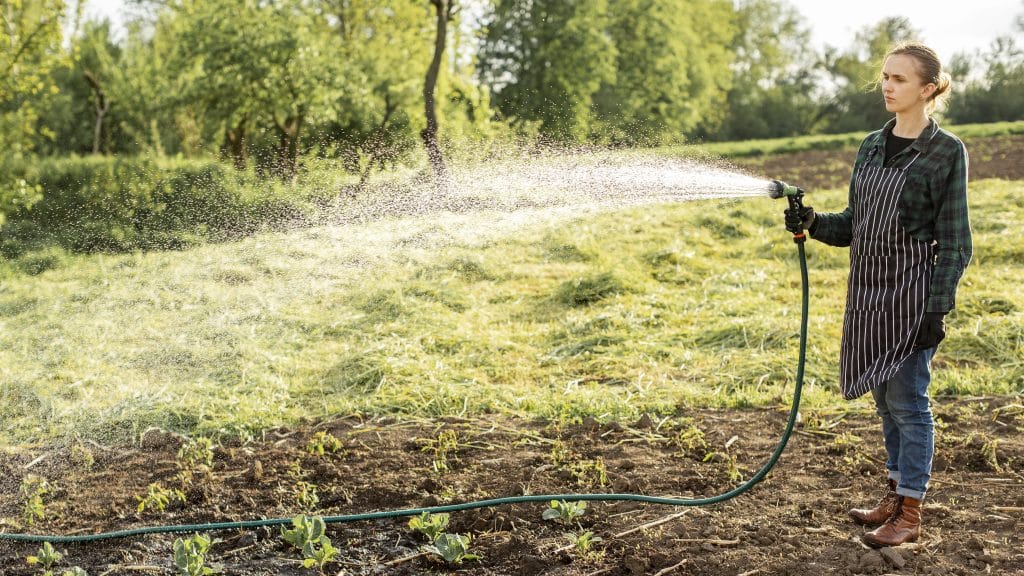
Ignoring the new water-use regulations can lead to several serious consequences for homeowners.
One of the most immediate effects is facing fines or penalties. Water authorities are monitoring usage closely and can impose hefty charges for violations.
Environmental impact
Failing to adhere to these regulations can also harm the environment.
Overwatering can result in runoff, which may contribute to local flooding and erosion.
This runoff can carry pollutants into nearby water bodies, harming aquatic ecosystems.
Increased costs
In addition to fines, ignoring these rules can lead to higher water bills.
When you overwater, you use more water than necessary, causing your utility costs to skyrocket. In the long run, this can put a strain on your budget.
- Unsustainable practices can deplete local water sources.
- Increased maintenance costs for landscaping and gardens.
- Potential damage to property from excessive water exposure.
Plant health can also suffer when irrigation rules are neglected. Overwatering can lead to root rot and other issues that diminish plant vitality.
This may result in a need for costly landscape replacements. Moreover, non-compliance can negatively affect community water supplies.
During drought conditions, every drop counts. When residents ignore regulations, it exacerbates the overall water crisis, affecting everyone.
To avoid these consequences, it is crucial for homeowners to understand and comply with local watering rules.
Engaging with the community about sustainable practices can also promote a culture of conservation.
FAQ – Frequently Asked Questions about Water-use Rules for Residential Irrigation
What are the penalties for ignoring water-use regulations?
Ignoring water-use regulations can result in hefty fines and penalties imposed by local water authorities.
How can I conserve water while gardening?
You can conserve water by using efficient irrigation systems like drip irrigation, soil moisture sensors, and rain barrels.
What are the benefits of efficient irrigation practices?
Efficient irrigation practices help save water, reduce utility costs, promote healthier plants, and protect the environment.
How can I stay updated on local water regulations?
Regularly check your local water authority’s website and sign up for alerts to stay informed about changes in water-use regulations.