Smart Home Integration 2026: 5 Devices for 15% Energy Savings
Advertisement
Integrating smart home technology by 2026 offers a powerful pathway to substantial energy savings, with five key devices promising up to 15% reduction in monthly utility bills through optimized consumption and automated controls.
As we approach 2026, the concept of a truly intelligent living space is no longer a futuristic dream but an attainable reality, especially when considering energy conservation. Smart home energy efficiency is rapidly evolving, offering homeowners unprecedented control over their consumption and the potential to significantly reduce monthly utility bills.
The Dawn of Energy-Efficient Smart Homes
The landscape of home automation is undergoing a profound transformation, moving beyond mere convenience to prioritize sustainability and cost-effectiveness. In 2026, smart homes are increasingly designed with energy optimization at their core, leveraging advanced technologies to minimize waste and maximize savings. This shift is driven by a growing awareness of environmental impact and the tangible financial benefits that come with reduced energy consumption.
Advertisement
Integrating various smart devices creates a cohesive ecosystem where each component works in harmony to manage energy use effectively. This holistic approach allows homeowners to monitor, control, and automate their energy consumption with precision, often without direct manual intervention. The ultimate goal is to create a living environment that is not only comfortable and convenient but also profoundly efficient.
Understanding the Smart Home Ecosystem
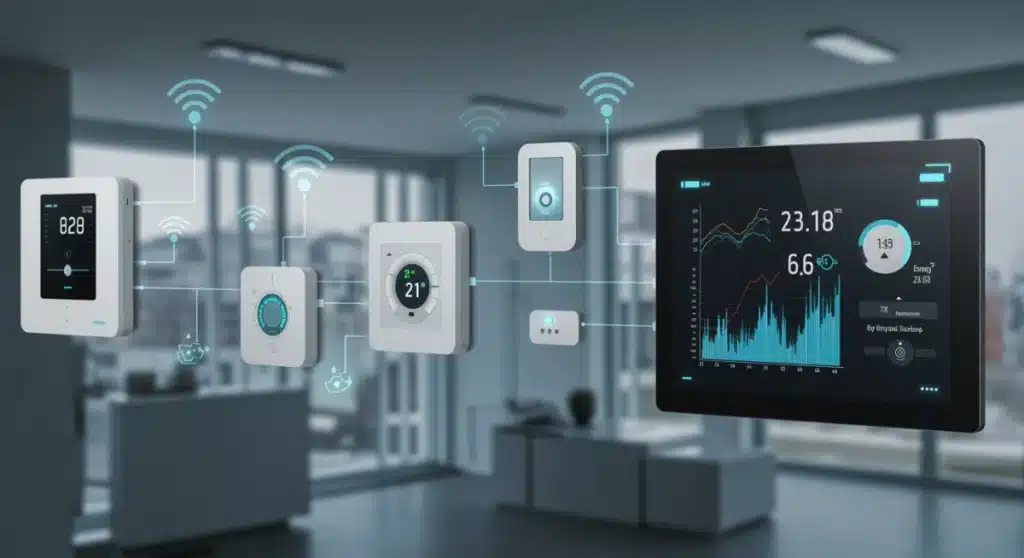
A smart home ecosystem is a network of interconnected devices that communicate with each other and often with a central hub or application. This interconnectedness allows for automated actions and data exchange, leading to a more responsive and efficient home. The beauty of this system lies in its ability to learn and adapt to your habits, further enhancing energy savings over time.
- Centralized Control: Manage all devices from a single app or voice assistant.
- Data-Driven Insights: Monitor energy usage patterns to identify areas for improvement.
- Automated Routines: Set schedules and triggers for devices to operate only when needed.
- Remote Access: Control your home’s energy consumption from anywhere in the world.
The continuous evolution of artificial intelligence and machine learning algorithms means that these systems are becoming even smarter. They can predict optimal heating and cooling times, adjust lighting based on natural light availability, and even identify faulty appliances that are consuming excessive power. This level of sophistication makes smart home integration an indispensable tool for achieving significant energy efficiency.
Advertisement
In essence, energy-efficient smart homes represent a paradigm shift in how we interact with our living spaces. They empower us to make informed decisions about our energy use, ultimately contributing to both personal financial well-being and broader environmental sustainability. The initial investment in these technologies is quickly recouped through consistent monthly savings, making it a wise long-term decision for any homeowner.
Smart Thermostats: The Brain of Your HVAC System
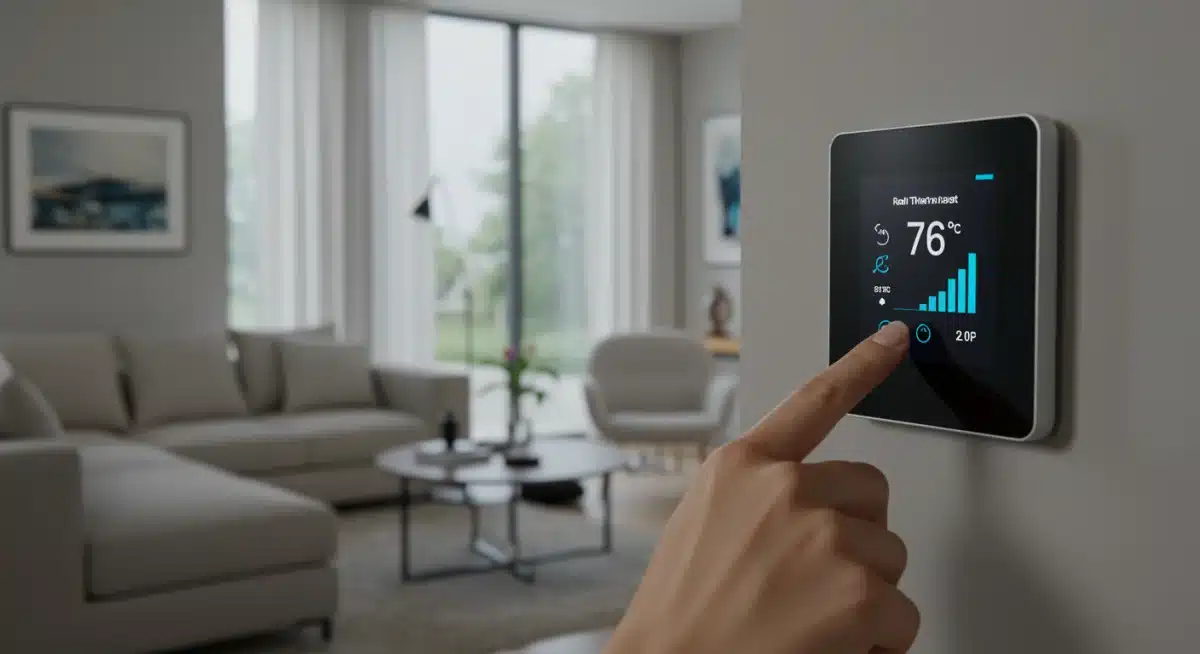
Smart thermostats have long been a cornerstone of energy-efficient smart homes, and by 2026, their capabilities have become even more sophisticated. These devices go far beyond simply setting a temperature; they learn your preferences, adapt to external weather conditions, and integrate seamlessly with other smart home components to optimize your heating and cooling. This intelligent management of your HVAC system is crucial, as heating and cooling often account for the largest portion of a household’s energy consumption.
The latest generation of smart thermostats features advanced algorithms that analyze occupancy patterns, local forecasts, and even utility pricing to make real-time adjustments. This proactive approach ensures that your home is only heated or cooled when necessary, preventing wasteful energy expenditure. Many models also offer detailed energy reports, giving homeowners clear insights into their consumption and highlighting areas where further savings can be achieved.
Key Features for Maximum Savings
The effectiveness of a smart thermostat hinges on its advanced features, which are designed to provide both comfort and significant energy reduction. Understanding these capabilities is essential for choosing the right device and harnessing its full potential.
- Learning Capabilities: Automatically adjust to your schedule and temperature preferences over time.
- Geofencing: Uses your phone’s location to know when you’re away and adjusts the temperature accordingly, saving energy while you’re out.
- Zoned Control: For homes with multiple thermostats, allows independent temperature management for different areas, preventing energy waste in unoccupied rooms.
- Integration with Energy Tariffs: Some models can connect with utility providers to optimize energy use during off-peak hours, taking advantage of lower electricity rates.
Beyond these core functionalities, many smart thermostats also offer air quality monitoring, filter change reminders, and even fault detection for your HVAC system. These additional features not only enhance comfort and convenience but also contribute to the longevity and efficient operation of your heating and cooling equipment. The ability to control your thermostat remotely via a smartphone app adds another layer of flexibility, allowing you to make adjustments on the go or prepare your home for your arrival.
Investing in a high-quality smart thermostat is one of the most impactful steps you can take towards a more energy-efficient home. Its ability to intelligently manage your HVAC system can lead to substantial reductions in energy bills, often recovering the initial cost within a year or two. By 2026, these devices are a standard for any home aiming for optimal energy performance.
Smart Lighting Systems: Illuminating Savings
Smart lighting has evolved well beyond simple remote control; by 2026, these systems are integral to a home’s overall energy efficiency strategy. They offer unprecedented control over illumination, allowing homeowners to optimize light levels, schedules, and even color temperature to reduce electricity consumption significantly. Traditional lighting often leads to wasted energy through lights left on unnecessarily or excessive brightness in certain areas. Smart lighting eradicates these inefficiencies.
Modern smart lighting solutions leverage LED technology, which is inherently more energy-efficient than incandescent or even CFL bulbs. When combined with intelligent controls, the savings multiply. These systems can detect occupancy, adjust to natural light, and respond to voice commands, ensuring that light is only used when and where it’s needed, and at the optimal intensity. This granular control is key to minimizing power draw without sacrificing comfort or functionality.
Dynamic Control and Energy Reduction
The true power of smart lighting for energy efficiency lies in its dynamic control capabilities. These features allow for personalized and automated lighting schemes that significantly cut down on electricity use.
- Occupancy Sensors: Lights automatically turn on when a room is occupied and off when it’s empty, preventing unnecessary usage.
- Daylight Harvesting: Sensors detect the amount of natural light entering a room and adjust artificial lighting accordingly, dimming or turning off lights when sufficient natural light is present.
- Scheduling and Timers: Set specific times for lights to turn on and off, aligning with your daily routine or simulating occupancy when you’re away.
- Dimming Capabilities: Reduce light intensity to the exact level required, saving energy compared to full brightness.
Furthermore, smart lighting systems often integrate with other smart home devices, such as smart blinds or security systems. For instance, lights can automatically dim when you start a movie or turn on brightly if a security sensor is triggered. This interconnectedness not only enhances convenience but also contributes to a more cohesive and energy-aware home environment. The ability to monitor energy consumption of individual bulbs or entire lighting zones through a mobile app provides valuable data, empowering users to make further optimizations.
Adopting smart lighting is a straightforward yet highly effective way to reduce your home’s energy footprint. The combination of efficient LED technology and intelligent controls ensures that your home is beautifully lit while keeping electricity bills in check. By 2026, smart lighting is no longer a luxury but a fundamental component of an energy-conscious household.
Smart Plugs and Power Strips: Eliminating Phantom Load
Phantom load, also known as standby power, refers to the electricity consumed by electronics when they are turned off but still plugged in. This insidious drain can account for a significant portion of a household’s electricity bill, often going unnoticed. By 2026, smart plugs and power strips have emerged as indispensable tools for combating phantom load, offering a simple yet powerful solution to a pervasive energy waste problem. These devices allow you to remotely control the power supply to individual appliances, effectively cutting off electricity when not in use.
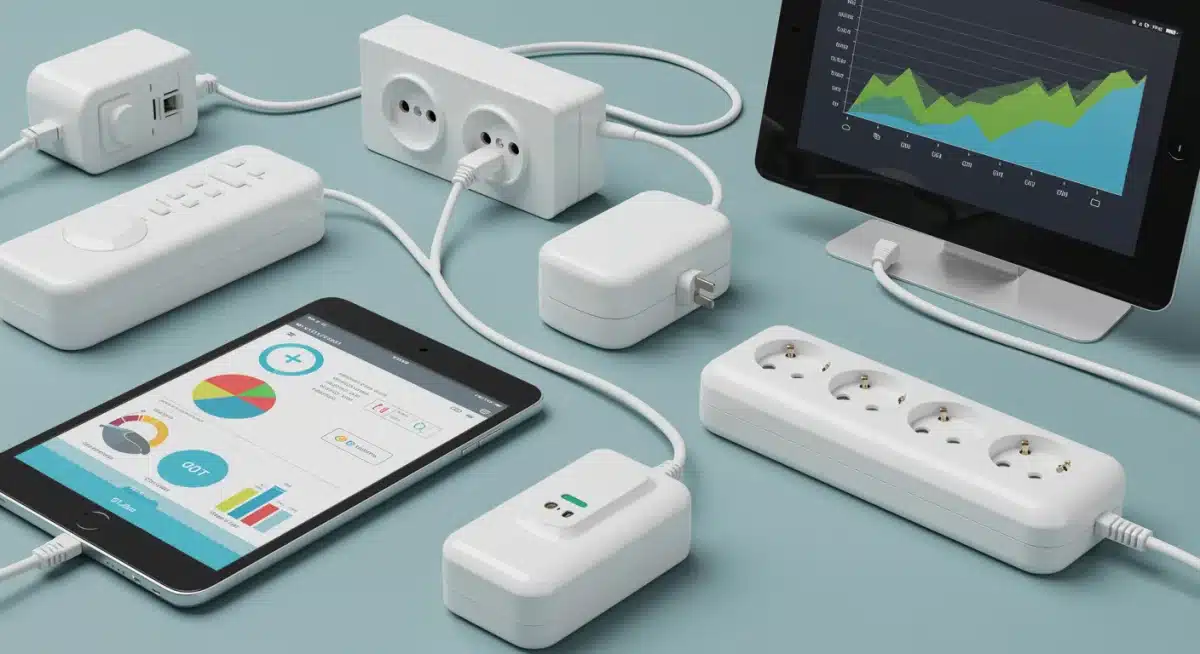
The beauty of smart plugs and power strips lies in their simplicity and versatility. They can be plugged into any standard outlet, instantly transforming a regular appliance into a smart, controllable device. This means you don’t need to replace all your existing electronics to start saving energy. From coffee makers to entertainment systems, these smart accessories provide an easy way to monitor and manage energy consumption at the individual appliance level.
Intelligent Power Management
Smart plugs and power strips are more than just remote switches; they offer intelligent features that automate energy savings and provide valuable insights into your consumption habits.
- Remote Control: Turn devices on or off from anywhere using a smartphone app.
- Scheduling: Set specific times for appliances to receive power, ensuring they are only active when needed.
- Energy Monitoring: Track the real-time and historical energy consumption of plugged-in devices, helping identify energy hogs.
- Voice Control Integration: Connect with virtual assistants like Alexa or Google Assistant for hands-free operation.
Many advanced smart power strips also feature surge protection, adding an extra layer of security for your valuable electronics. Some even offer individual outlet control, allowing you to manage multiple devices connected to a single strip independently. This level of granular control is crucial for optimizing energy use and eliminating all forms of phantom load. Imagine having your TV, gaming console, and sound system automatically power down when you leave the house and power up just before you arrive.
The cumulative effect of eliminating phantom load across all your home’s electronics can lead to noticeable savings on your monthly utility bills. Smart plugs and power strips are an affordable and accessible entry point into smart home energy efficiency, offering immediate benefits and empowering homeowners with greater control over their power consumption. They are a must-have for any energy-conscious household by 2026.
Smart Window Treatments: Natural Climate Control
Smart window treatments, encompassing automated blinds, shades, and curtains, represent a sophisticated yet often overlooked aspect of smart home energy efficiency in 2026. These devices play a critical role in regulating indoor temperature by controlling the amount of sunlight and heat entering or escaping your home. By intelligently managing natural light and insulation, they significantly reduce the workload on your HVAC system, leading to substantial energy savings.
In warmer months, smart shades can automatically close during the hottest parts of the day, blocking solar gain and keeping your home cooler. Conversely, in colder seasons, they can open during daylight hours to allow passive solar heating, then close at night to provide an extra layer of insulation against heat loss. This dynamic adjustment, often based on real-time weather data and indoor temperature sensors, ensures optimal thermal comfort with minimal energy expenditure.
Seamless Integration for Enhanced Efficiency
The true power of smart window treatments is unleashed when they are integrated into a broader smart home ecosystem, working in concert with other devices like smart thermostats and lighting systems.
- Temperature Sensor Integration: Automatically adjust based on indoor temperature readings to maintain comfortable conditions.
- Daylight Sensor Integration: Open or close in response to natural light levels, optimizing both illumination and thermal regulation.
- Scheduled Operation: Program treatments to open and close at specific times, aligning with sun paths and your daily routine.
- Voice and App Control: Conveniently adjust settings from anywhere, providing flexibility and immediate response to changing needs.
Beyond energy savings, smart window treatments also offer enhanced privacy and security. They can be programmed to adjust throughout the day to deter potential intruders or to provide instant privacy with a simple voice command. The aesthetic appeal of these treatments is also a significant factor; they come in a wide range of styles and materials, seamlessly blending with any home decor while providing advanced functionality. Their quiet operation and precise control contribute to a serene and comfortable living environment.
Incorporating smart window treatments into your home is an effective strategy for passive energy management. By harnessing and mitigating the power of the sun, these devices can significantly reduce your reliance on artificial heating and cooling, translating into tangible savings and increased comfort. By 2026, they are recognized as a vital component for truly energy-efficient and intelligent living spaces.
Smart Water Heaters: Optimizing Hot Water Consumption
Water heating is often one of the most energy-intensive processes in a home, second only to HVAC systems. Traditional water heaters operate continuously or at fixed schedules, leading to significant energy waste by heating water when it’s not needed. By 2026, smart water heaters and smart water heater controllers have revolutionized this aspect of home energy consumption, offering intelligent solutions that optimize hot water availability while dramatically reducing energy use and associated costs.
These advanced systems learn household hot water usage patterns, adjusting their operation to provide hot water only when demand is anticipated. This ‘on-demand’ approach eliminates the energy spent maintaining a large tank of hot water around the clock. Furthermore, many smart water heaters integrate with other smart home platforms, allowing for a more cohesive and energy-efficient management of all home utilities.
Features for Smarter Water Heating
The intelligence embedded in smart water heaters provides several key features that contribute directly to energy savings and enhanced convenience.
- Learning Algorithms: Observe and adapt to your family’s hot water usage patterns, heating water only when necessary.
- Vacation Mode: Reduces water heating to a minimum when you’re away, preventing unnecessary energy consumption.
- Remote Control and Scheduling: Turn on or off, or adjust temperature settings from your smartphone, ensuring hot water is ready when you need it.
- Energy Monitoring: Provide detailed reports on hot water consumption, helping you understand and optimize usage.
Beyond these core functionalities, some smart water heaters offer leak detection capabilities, which can prevent costly water damage and further enhance home safety. Others integrate with smart showers to provide personalized temperature settings and water usage tracking. The ability to pre-heat water for specific events, like a morning shower, ensures comfort without the constant energy drain of traditional systems. This level of control not only saves energy but also extends the lifespan of the appliance by reducing operational hours.
Embracing smart water heating technology is a powerful way to tackle a major source of energy consumption in your home. By intelligently managing hot water production, these devices offer significant savings on utility bills and contribute to a more sustainable lifestyle. For homeowners looking to achieve comprehensive energy efficiency by 2026, a smart water heater is an essential upgrade.
Smart Appliances: The Next Frontier in Efficiency
As we advance into 2026, the realm of smart home integration extends comprehensively to major appliances, transforming how we interact with everyday necessities like refrigerators, washing machines, and ovens. These smart appliances are no longer just about connectivity; they are engineered with energy efficiency as a core design principle, offering features that actively work to reduce consumption and environmental impact. This represents a significant leap from traditional appliances, which often operate without regard for real-time energy costs or user patterns.
Smart appliances leverage advanced sensors, artificial intelligence, and network connectivity to optimize their performance. For instance, smart refrigerators can monitor their internal temperature more precisely and even suggest energy-saving modes. Washing machines can detect load size and fabric type to use the exact amount of water and energy needed, while smart ovens can preheat more efficiently or even coordinate with peak energy times to run at lower costs. This intelligent operation leads to measurable savings on utility bills.
Optimizing Performance and Consumption
The integration of smart technology into appliances brings a host of features designed to enhance efficiency and give homeowners greater control over their energy use.
- Load Sensing in Laundry: Automatically adjusts water levels and cycle times based on the weight and type of laundry, preventing overconsumption of water and electricity.
- Smart Refrigeration: Features like door-open alerts, optimized defrost cycles, and vacation modes prevent energy waste and maintain ideal temperatures.
- Demand Response Programs: Some smart appliances can communicate with utility providers to run during off-peak hours when electricity is cheaper and demand is lower.
- Predictive Maintenance: Monitor performance and provide alerts for potential issues, ensuring appliances run efficiently and preventing costly breakdowns.
Beyond direct energy savings, smart appliances often offer features that improve convenience and food preservation, indirectly contributing to sustainability. For example, smart refrigerators with internal cameras can help you track inventory, reducing food waste. Smart dishwashers can be programmed to run when energy rates are lowest, or when water consumption is optimized. The ability to diagnose issues remotely or receive software updates means these appliances can continue to improve their efficiency over time, adapting to new energy-saving technologies.
The adoption of smart appliances by 2026 is a testament to the ongoing evolution of home technology towards a more sustainable future. By investing in these intelligent devices, homeowners can achieve significant reductions in energy consumption, enjoy greater convenience, and contribute to a more environmentally friendly household. They are an essential element in the comprehensive smart home energy efficiency strategy.
Integrating Your Smart Home for Maximum Savings
Achieving the promised 15% or more in energy savings through smart home integration by 2026 isn’t just about acquiring individual smart devices; it’s about seamlessly connecting them into a unified ecosystem. The real power of a smart home lies in its ability to orchestrate these devices to work together, creating automated routines and intelligent responses that optimize energy use across your entire living space. A disjointed collection of smart gadgets will yield some benefits, but a fully integrated system unlocks the true potential for efficiency and cost reduction.
Central to this integration is a robust smart home hub or platform that acts as the command center for all your devices. This hub allows different brands and types of devices to communicate with each other, enabling complex automations and personalized energy management strategies. Without a cohesive integration strategy, many of the advanced features designed to save energy, such as geofencing for thermostats or daylight harvesting for lighting, cannot reach their full potential.
Strategies for Seamless Integration
Effective integration requires careful planning and consideration of compatibility, but the effort pays off handsomely in terms of energy savings and convenience. Here are key strategies:
- Choose a Unified Platform: Opt for a central hub (e.g., Apple HomeKit, Google Home, Amazon Alexa, Samsung SmartThings) that supports a wide range of devices and protocols.
- Create Automation Rules: Set up routines where devices trigger actions in others. For example, when your smart thermostat enters ‘away’ mode, your smart lights turn off and smart plugs cut power to entertainment systems.
- Leverage Sensors: Utilize motion sensors, door/window sensors, and light sensors to inform your devices. A door left open could trigger an HVAC pause, or natural light levels could dictate artificial lighting.
- Monitor and Adjust: Regularly review energy consumption data provided by your smart home apps. Use these insights to fine-tune your automations and identify further areas for optimization.
Beyond these strategies, consider devices that support open standards like Matter or Thread, which are designed to improve interoperability between different smart home brands. This future-proofs your system and ensures that new devices can easily be incorporated into your existing setup. The goal is to move beyond manual control to a truly autonomous home that anticipates your needs while constantly striving for energy efficiency. This level of sophistication provides not only significant financial benefits but also a more comfortable and sustainable living environment.
Ultimately, the integrated smart home of 2026 is a dynamic entity, continuously learning and adapting to provide optimal comfort and efficiency. By strategically connecting the five essential devices discussed—smart thermostats, lighting, plugs, window treatments, and appliances—homeowners can realize substantial energy savings, solidifying their commitment to a smarter, greener future.
| Key Device | Energy Saving Benefit |
|---|---|
| Smart Thermostats | Optimizes HVAC based on occupancy and weather, reducing heating/cooling waste. |
| Smart Lighting | Uses occupancy and natural light sensors to ensure lights are only on when needed. |
| Smart Plugs/Power Strips | Eliminates phantom load by cutting power to devices when not in active use. |
| Smart Window Treatments | Regulates indoor temperature by controlling sunlight, reducing HVAC load. |
Frequently Asked Questions About Smart Home Energy Savings
While savings vary based on your home’s size, existing energy habits, and specific devices, many homeowners report saving between 10% and 20% on their monthly utility bills, with some achieving even higher reductions. The integration of multiple devices maximizes this potential.
Most modern smart home devices are designed for easy, DIY installation, often requiring just a few simple steps and a smartphone app. For more complex systems or whole-home integration, professional installation services are readily available to ensure optimal performance.
While some devices can operate independently, a central hub or unified platform (like Google Home or Apple HomeKit) is highly recommended. It allows devices from different manufacturers to communicate and create advanced automations, unlocking greater energy savings and convenience.
Phantom load is the power consumed by electronics even when they are turned off but still plugged in. Smart plugs allow you to remotely cut power to these devices, eliminating this wasteful energy drain and contributing significantly to overall savings.
Absolutely. While there’s an upfront cost, the consistent monthly savings on utility bills often lead to a quick return on investment, typically within one to three years. Beyond financial benefits, you gain enhanced comfort, convenience, and a reduced environmental footprint.
Conclusion
The journey towards a more energy-efficient home in 2026 is undeniably paved with smart home technology. By strategically integrating essential devices such as smart thermostats, lighting systems, plugs and power strips, window treatments, and major appliances, homeowners can unlock significant savings, potentially reducing monthly utility bills by up to 15% or more. This holistic approach not only minimizes energy waste but also enhances comfort, convenience, and contributes to a more sustainable lifestyle. The evolution of these technologies ensures that building a truly intelligent, energy-conscious home is more accessible and beneficial than ever before, making it a wise investment for any forward-thinking homeowner.
| Key Device | Energy Saving Benefit |
|---|---|
| Smart Thermostats | Optimizes HVAC based on occupancy and weather, reducing heating/cooling waste. |
| Smart Lighting | Uses occupancy and natural light sensors to ensure lights are only on when needed. |
| Smart Plugs/Power Strips | Eliminates phantom load by cutting power to devices when not in active use. |
| Smart Window Treatments | Regulates indoor temperature by controlling sunlight, reducing HVAC load. |
Frequently Asked Questions About Smart Home Energy Savings
While savings vary based on your home’s size, existing energy habits, and specific devices, many homeowners report saving between 10% and 20% on their monthly utility bills, with some achieving even higher reductions. The integration of multiple devices maximizes this potential.
Most modern smart home devices are designed for easy, DIY installation, often requiring just a few simple steps and a smartphone app. For more complex systems or whole-home integration, professional installation services are readily available to ensure optimal performance.
While some devices can operate independently, a central hub or unified platform (like Google Home or Apple HomeKit) is highly recommended. It allows devices from different manufacturers to communicate and create advanced automations, unlocking greater energy savings and convenience.
Phantom load is the power consumed by electronics even when they are turned off but still plugged in. Smart plugs allow you to remotely cut power to these devices, eliminating this wasteful energy drain and contributing significantly to overall savings.
Absolutely. While there’s an upfront cost, the consistent monthly savings on utility bills often lead to a quick return on investment, typically within one to three years. Beyond financial benefits, you gain enhanced comfort, convenience, and a reduced environmental footprint.
Conclusion
The journey towards a more energy-efficient home in 2026 is undeniably paved with smart home technology. By strategically integrating essential devices such as smart thermostats, lighting systems, plugs and power strips, window treatments, and major appliances, homeowners can unlock significant savings, potentially reducing monthly utility bills by up to 15% or more. This holistic approach not only minimizes energy waste but also enhances comfort, convenience, and contributes to a more sustainable lifestyle. The evolution of these technologies ensures that building a truly intelligent, energy-conscious home is more accessible and beneficial than ever before, making it a wise investment for any forward-thinking homeowner.